
Neurological Assessment
Your nervous system controls everything.
Our evaluation process includes functional neurological testing to provide additional information about how your nervous system is functioning.
NeuroInfiniti
What is NeuroInfiniti?
The NeuroInfiniti neurological test is a non-invasive assessment using various sensors that measures seven distinct variables related to nervous system function. It is the core component of the care we provide at our clinic.
In simple terms: it gives us objective information about how your nervous system is functioning. That information is considered alongside your history, symptoms, physical findings, and the other aspects of your evaluation.
The assessment does not diagnose conditions on its own, and the results do not automatically determine treatment. The results provide additional information that can help us understand nervous system function and personalize the evaluation process.
Seven variables
See your nervous system from a functional perspective
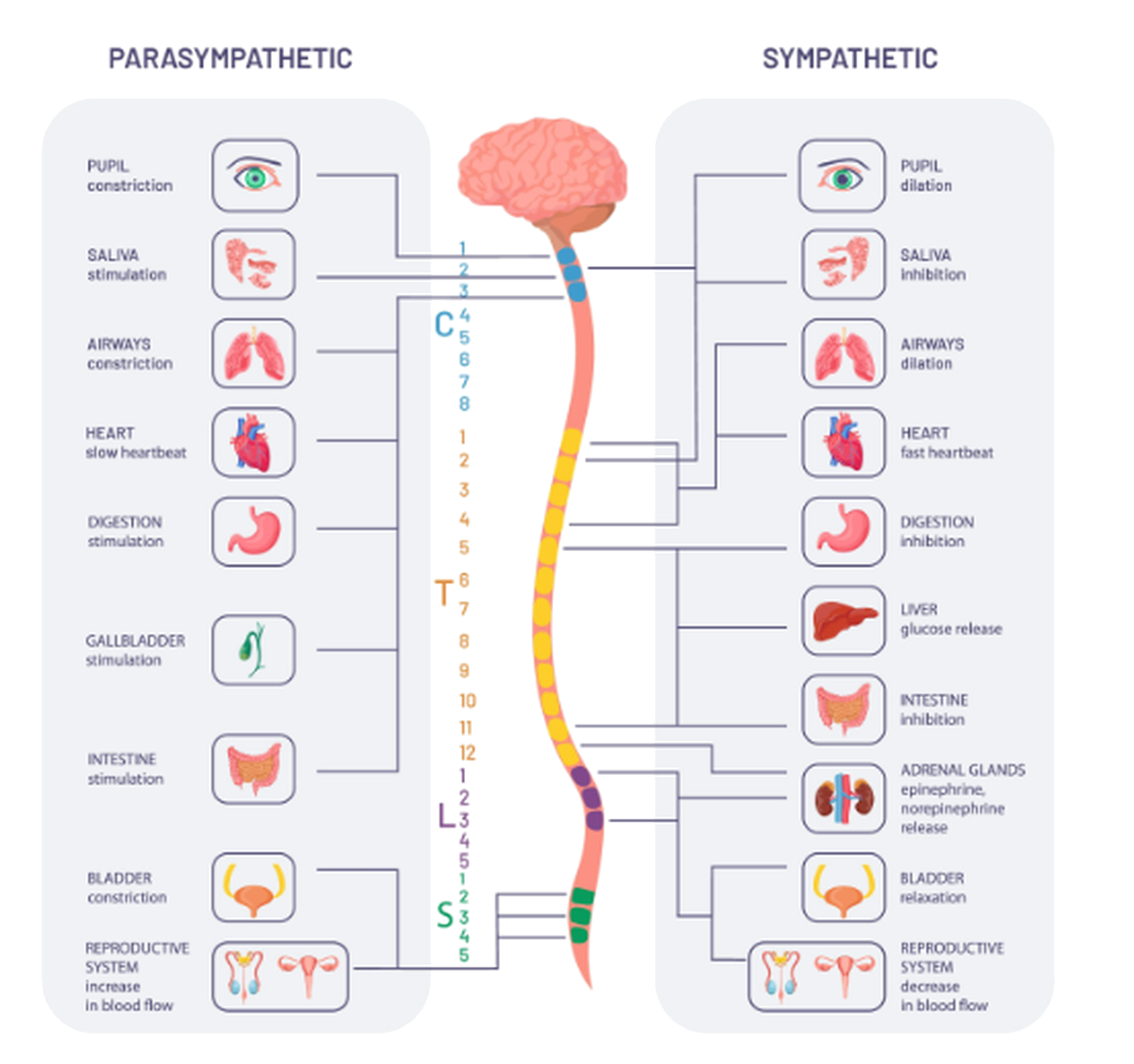
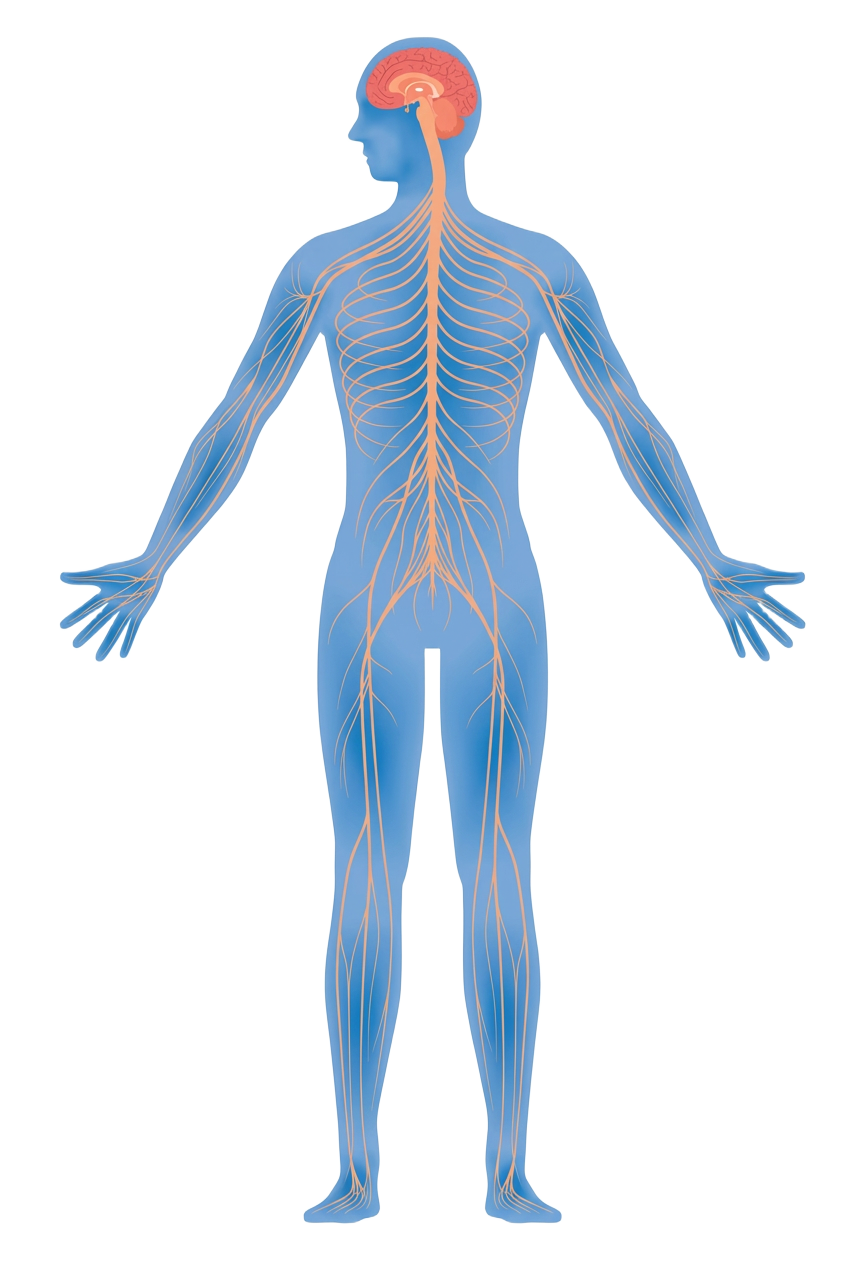
These seven variables are controlled by your brain and nervous system.
- 1
EEG (brain waves)
Monitors cortical electrical activity. It is broken down mainly into four fundamental frequencies (delta, theta, alpha, and beta) to determine whether the brain is able to focus when needed and to rest when appropriate.
- 2
Heart rate (HR)
Measures the speed of the cardiac cycle, showing how quickly the heart speeds up under stress and slows down during rest.
- 3
HRV (heart rate variability)
Measures the specific timing variations between consecutive heartbeats. It is widely considered the gold standard for monitoring autonomic resilience and overall adaptability.
- 4
Muscle tension (sEMG)
Records static muscle tension patterns (commonly in the trapezius and facial muscles) to detect chronic stiffness, accumulated stress, or physical guarding mechanisms.
- 5
Skin conductance (GSR)
Records electrodermal activity (moisture or sweat gland activity in the hands). Since sweat gland activation is purely sympathetic in nature, this reflects a direct stress response.
- 6
Breathing
Records the rate, depth, and structural patterns of breathing (such as thoracic versus diaphragmatic breathing) to evaluate sympathetic and parasympathetic balance.
- 7
Temperature
Measures peripheral blood circulation. During acute stress, blood is diverted from the extremities toward the internal organs, causing a drop in hand and foot temperature.
Why we include it
Why do we include it in the evaluation?
Because the nervous system influences how your body moves, adapts, and responds.
- Movement
- Balance
- Coordination
- Sensory processing
- Adaptation
- Communication between the brain and body
It is essential for us to understand how these areas are functioning, to educate you on how they relate to one another, and to explain how they contribute to your symptoms.
Initial Evaluation
Ready to understand how can we help you
Discover how an imbalance among these seven variables might be affecting you.